Bozeman, Montana: What Nobody Tells You About America’s Last Real Mountain Town
A 5th-generation Montanan’s honest account of a place that A River Runs Through It put on the map, the Yellowstone TV show blew up — and somehow stayed Montana.
My great-great-grandfather homesteaded in the Gallatin Valley before Montana was even a state. Five generations later, I’m watching people fly into BZN from New York and Los Angeles, clutching their Patagonia vests, looking for something they can’t quite name. And here’s the thing — they usually find it. Because Bozeman, despite everything that’s happened to it, still has it.
What “it” is exactly is hard to say. It’s the Bridger Range turning pink at dawn. It’s standing knee-deep in the Gallatin in July with a dry fly, hearing nothing but water. It’s the fact that you can eat a James Beard-caliber dinner, walk out the door, and be in genuine wilderness in fifteen minutes.
This guide is not a list of Instagram spots. It’s what a 5th-generation Montanan would actually tell you — what makes Bozeman unlike anywhere else in America, what to do here that you can’t do anywhere else, and why despite the growth, the new money, and the national attention, this place is still, deeply, Montana.
People come here chasing something — wildness, quiet, space, the feeling that the land is still bigger than the people on it. In Bozeman, that’s not a marketing slogan. It’s just geography.
BozemanTours.com · Local PerspectiveWhy It’s Still Montana
Let’s address the elephant in the room. Bozeman has changed. The traffic on 19th is real. The housing prices are real. The Yellowstone TV show brought a wave of people who wanted to romanticize Montana without actually understanding it.
But here’s what hasn’t changed: the land doesn’t care about any of that.
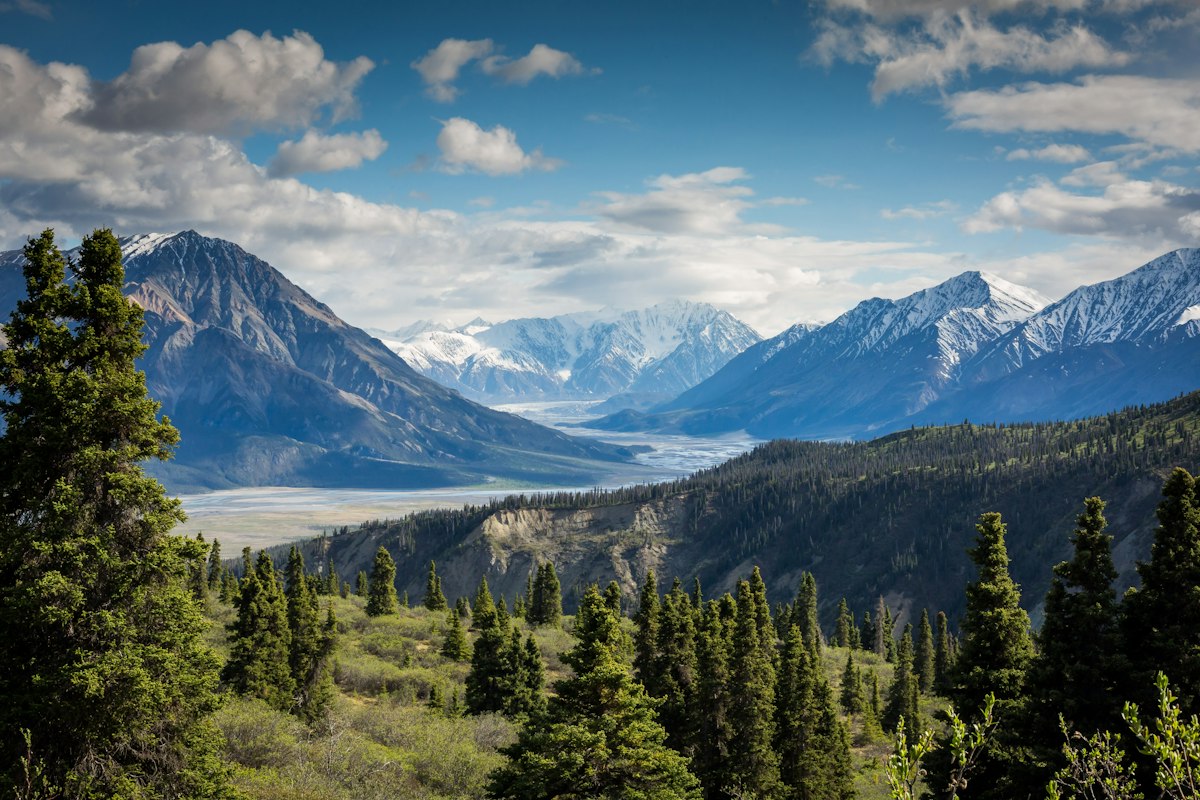
Drive twenty minutes in any direction from downtown and you’re in wilderness. Not “wilderness” with a parking lot and a paved trail — actual, bear-in-the-meadow, no-cell-signal wilderness. The Bridger Range to the north. The Gallatin Range to the south. The Madison Valley to the west. Bozeman sits in the middle of some of the most dramatic terrain in North America, and that hasn’t changed and won’t change.
The thing that saves Bozeman from becoming just another mountain resort town is Montana itself. You can’t gentrify the Bridger Range. You can’t put a boutique hotel on the Gallatin River. The land creates a ceiling on how curated this place can become — and that ceiling is what every visitor, without knowing it, is actually paying for.
The Rivers That Started It All
Before Yellowstone made Bozeman famous, before the ski resorts, before the tech transplants — there were the rivers. The Gallatin runs right through town. You can walk from Main Street to the river in ten minutes. It’s fast and cold, full of wild rainbow and brown trout. It’s still one of the best wade fisheries in Montana.
Forty-five minutes away is the Madison — slower, wider, braided, with enormous brown trout that have seen every fly pattern ever tied. The Madison is a humbling river. It rewards patience and precision over enthusiasm. Then there’s the Yellowstone, flowing north out of the park through Paradise Valley — one of the most beautiful stretches of water in North America.
Don’t fish the Gallatin in late July without checking flows. Spring (May–June) and fall (September–October) are when it’s at its best. The Madison fishes well almost year-round. If you hire a guide — and you should for your first trip — go with someone who grew up here. They know water levels, hatches, and where fish hold in ways no internet research replicates.
Yellowstone — The Real Story
Everyone knows Yellowstone. What most people don’t know is that Bozeman gives you a back door into the park that the masses don’t use. The North Entrance at Gardiner is 90 miles from Bozeman — about 90 minutes through Paradise Valley. Most tourists come through the West or South entrances. The northern approach through the Lamar Valley is where serious Yellowstone visitors go.
The Lamar Valley is called “America’s Serengeti” without irony. On a single morning — especially in fall or early spring — you can see wolf packs hunting, grizzlies digging for roots, bison herds moving across the flats, and bald eagles working the river. There is nowhere else in the lower 48 where this is possible.
My grandfather used to say that Yellowstone isn’t a park. It’s a reminder of what this entire country looked like before we got here. The Lamar Valley is the last place where that memory is still fully intact.
5th Generation Perspective · BozemanTours.com
What to Actually Do Here
Bozeman’s outdoor scene is genuinely year-round in a way that most mountain towns aren’t. Here’s what’s actually worth your time:
Hiking — Beyond the Tourist Trails
Every visitor hikes the M Trail. It’s fine — great views, accessible, 30 minutes up. But the real hiking starts where the crowds end. The Bridger Range has serious ridge routes. Hyalite Canyon, 15 miles south, has everything from boardwalk waterfall walks to demanding alpine scrambles. Sacagawea Peak — the highest point in the Bridger Range at 9,665 feet — is one of the finest summit hikes in Montana.
This is grizzly bear habitat. Not metaphorically — actually. Carry bear spray on any backcountry hike, make noise, don’t hike alone in heavy brush. Guided hiking trips handle all of this automatically.
Skiing — Big Sky vs Bridger Bowl
Big Sky gets the national press. It’s the largest ski resort in America — 5,850 acres, world-class terrain. It deserves the reputation. But locals ski Bridger Bowl. Cheaper tickets, no destination resort crowds, legendary cold smoke powder. The Ridge at Bridger has some of the best in-bounds steep skiing in the country. If you want to ski like a local, Bridger Bowl is the answer.
Wildlife Watching
The Greater Yellowstone Ecosystem holds more large mammals than anywhere else in the lower 48. Winter is actually the best season — wolves are most visible against snow, bison move to lower elevations, eagles concentrate on open water. Some of the most extraordinary wildlife experiences around Bozeman happen in January and February.
When to Come
| Season | The Reality | Best For |
|---|---|---|
| ☀️ Summer (Jun–Aug) | Busy, especially July. But hiking, fishing, and scenery are spectacular. | First-timers, families, Yellowstone |
| 🍂 Fall (Sep–Oct) | The secret season. Elk bugling, aspen gold, uncrowded trails, peak fishing. | Serious outdoorspeople, photographers |
| ❄️ Winter (Dec–Mar) | World-class skiing, best wildlife viewing, Yellowstone by snowcoach. | Skiers, wildlife watchers |
| 🌱 Spring (Apr–May) | Muddy but bears emerging, runoff rafting, lowest crowds of the year. | Budget travelers, bear viewers |
September is the best month to visit Bozeman. Full stop. Summer crowds gone, weather perfect, aspens turning gold, elk rutting in the valleys, fishing at its annual peak. Most visitors don’t know this. Now you do.
Frequently Asked Questions
Ready to Experience the Real Bozeman?
Browse Bozeman’s only dedicated local tour directory — vetted operators, zero booking commissions, real Montana guides.
Find a Local Guide →